Source Foldable Electric Beauty Bed for Clinics, Spas, and Salons
Explore 30 options for the foldable electric beauty bed, designed for gynaecology, spa, and salon use. Compare models with CE and ISO certifications, varying lengths, and manual or electric power sources to find the right fit for your medical or wellness facility.
Key considerations
Products List




Comprehensive Sourcing Guide
Foldable Electric Beauty Bed Sourcing Guide
Sourcing a foldable electric beauty bed requires balancing portability with clinical-grade stability, a challenge that defines the current market landscape for professional aesthetic equipment. Buyers must recognize that while the term "foldable" suggests compact storage, the integration of electric lifting mechanisms adds significant weight and complexity to the design. This guide focuses on navigating the specific technical and commercial nuances of these units, ensuring that procurement decisions align with both operational space constraints and patient comfort requirements.
The procurement process for these beds involves evaluating multiple product attributes that often vary across different supplier listings. Observations from current market data indicate a wide range in pricing and minimum order quantities, reflecting the diversity of manufacturing capabilities and material choices. Understanding these variations is crucial for establishing realistic budget expectations and supply chain timelines, particularly when sourcing from international markets where origin and logistics play a pivotal role in the final landed cost.
Product Scope and Observed Listing Signals
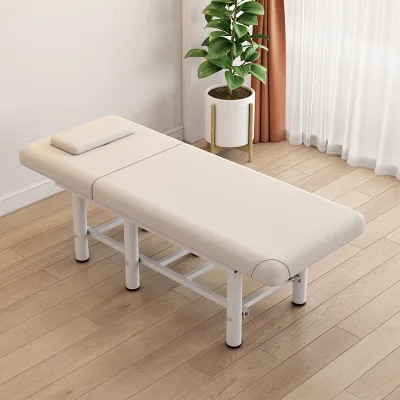
The observed product scope for foldable electric beauty beds encompasses a variety of configurations, including manual and electric models, with materials ranging from metal to aluminum alloy. Listings frequently highlight features such as gas spring assistance, leather fabric upholstery, and optional color choices, catering to diverse aesthetic preferences in salon and clinic environments. The presence of LCD displays is not universal, with many models opting for simpler control interfaces, which buyers should verify based on their specific operational needs for precision and user feedback.
Market signals also reveal significant variation in packaging and shipping dimensions, with options including carton, wooden cases, and plywood boxes. These packaging choices directly impact shipping costs and product protection during transit, especially for heavier units that may weigh around 65 kilograms. Buyers should pay close attention to the stated dimensions, such as lengths of 1820mm or 1860mm, to ensure the equipment fits within their designated treatment rooms and storage areas, while also considering the unfolded footprint for safe patient access.
Technical Specifications to Verify
When verifying technical specifications, the power source is a critical differentiator, with electric models offering automated height and position adjustments compared to manual alternatives. Buyers must confirm the presence of essential components such as gas springs, which aid in smooth operation and reduce manual effort during adjustments. Additionally, the classification of the instrument, often listed as Class II for medical devices, indicates the level of regulatory scrutiny and safety features integrated into the electrical systems, which is vital for maintaining compliance in healthcare settings.
Dimensional accuracy is another key area for verification, as standard sizes like 1820680mm or 1860670mm are commonly cited but may vary slightly between manufacturers. The weight capacity and structural integrity of the frame, whether constructed from steel or aluminum alloy, must be assessed to ensure durability under frequent use. Buyers should also inquire about the folding mechanism's reliability, as this is a common point of failure in portable beds, and request detailed diagrams or videos to understand the assembly and disassembly process.
Compliance and Safety Documentation
Compliance documentation is non-negotiable for medical and beauty equipment, with certifications such as CE, ISO 9001, and ISO 13485 serving as primary indicators of quality management systems. Buyers must request valid certificates from accredited bodies to verify that the manufacturer adheres to international standards for design, production, and post-market surveillance. The presence of these certifications ensures that the product has undergone rigorous testing for electrical safety, mechanical stability, and biocompatibility of materials used in patient contact surfaces.
Safety standards, such as EN 149-2001+A1-2009, provide specific guidelines for the structural integrity and operational safety of the beds. Buyers should verify that the product meets these standards, particularly regarding load-bearing capacity and emergency stop functions if applicable. Additionally, the instrument classification as Class II implies specific regulatory requirements for risk management and clinical evaluation, which should be documented and reviewed by the procurement team to mitigate liability and ensure patient safety.
Cost Drivers and Commercial Terms
Cost drivers for foldable electric beauty beds include the complexity of the electric lifting system, the quality of upholstery materials, and the choice of frame construction. Higher-end models with advanced features such as LCD displays and premium leather may command higher prices, while basic metal frames with manual adjustments offer more budget-friendly options. Buyers should analyze the total cost of ownership, including shipping, import duties, and potential maintenance costs, rather than focusing solely on the unit price.
Commercial terms such as minimum order quantity (MOQ) and lead times significantly influence procurement strategy, with MOQs ranging from single units to larger batches for customization. Delivery times, often cited as seven days for standard models, can extend for customized orders or during peak production seasons. Buyers should negotiate clear terms regarding payment schedules, warranty periods, and after-sales service, including the availability of free spare parts, to protect their investment and ensure long-term operational continuity.
Supplier Qualification and Quality Control
Supplier qualification involves assessing the manufacturer's production capabilities, quality control processes, and track record in the medical and beauty equipment industry. Buyers should verify the supplier's location, such as Jiangsu or Henan in China, and evaluate their ability to provide OEM services if branding is required. Requesting factory audits or third-party inspection reports can provide insights into the manufacturing environment and the consistency of product quality, which are critical for maintaining brand reputation.
Quality control measures should include pre-shipment inspections to verify that each unit meets the specified technical and safety standards. Buyers should establish clear acceptance criteria for visual defects, functional performance, and packaging integrity before approving shipments. Implementing a robust quality assurance protocol, including random sampling and stress testing, helps identify potential issues early and ensures that the delivered products align with the agreed-upon specifications and compliance requirements.
Long-Term Procurement Checks
Long-term procurement checks focus on the sustainability of the supply relationship and the ongoing support provided by the supplier. Buyers should monitor the availability of spare parts and the responsiveness of after-sales service, as these factors directly impact the downtime and maintenance costs of the equipment. Establishing a clear communication channel for technical support and warranty claims ensures that any issues are resolved promptly, minimizing disruption to clinical or salon operations.
Regular reviews of product performance and supplier reliability help identify trends in quality or service delivery that may require corrective action. Buyers should also stay informed about updates in regulatory standards and technological advancements that may affect future procurement decisions. By maintaining a proactive approach to supplier management and product evaluation, organizations can ensure that their investment in foldable electric beauty beds continues to deliver value and compliance over its entire lifecycle.
FAQs
Can I find foldable electric beauty beds with CE certification?
Yes, foldable electric beauty beds are available with CE certification. The product list confirms CE and ISO certifications are present. These beds often include features like gas springs and come with a one-year warranty for peace of mind during use.
What is the typical lead time for these beds?
The typical lead time for these beds is seven days. This delivery time applies to orders placed for the specified models. Buyers should note that this timeframe is standard for the current supply chain conditions observed in the product data.
Which materials are used for the bed frames?
The bed frames are constructed from metal and aluminium alloy. These durable materials ensure stability and longevity for the equipment. The choice of material supports the requirement for heavy-duty use in medical or beauty salon environments.
How much is the minimum order quantity for these beds?
The minimum order quantity is one set for these beds. This low MOQ allows buyers to test the product without large initial commitments. It is an attractive option for small clinics or startups looking to expand their inventory.
Can I get customization options for the bed design?
Yes, customization options are available for the bed design. Buyers can request specific features to meet their unique operational needs. This flexibility ensures the equipment fits perfectly into various clinical or beauty salon settings.
What is the warranty period for the electric beds?
The warranty period for the electric beds is one year. Some listings also mention a two-year warranty option for extended coverage. Maintenance services are available for up to five years to ensure long-term reliability.
Where are these beds manufactured?
These beds are manufactured in China, specifically in Jiangsu and Henan provinces. The origin location is clearly stated in the product specifications. This regional concentration often supports efficient logistics and competitive pricing for international buyers.
What is the maximum weight capacity of the beds?
The maximum weight capacity is not explicitly stated in the provided facts. However, the beds are designed for adult use and feature sturdy metal construction. Buyers should verify specific weight limits with the supplier before finalizing their purchase decision.